Seasonal Home Care
How to Choose a Snow Shovel for Driveways and Back Pain
Choose a snow shovel by matching its style, blade size, edge, and handle to your driveway, steps, typical snow, and comfort needs. Compare pushers, scoop shovels, compact models, and ergonomic features before buying.
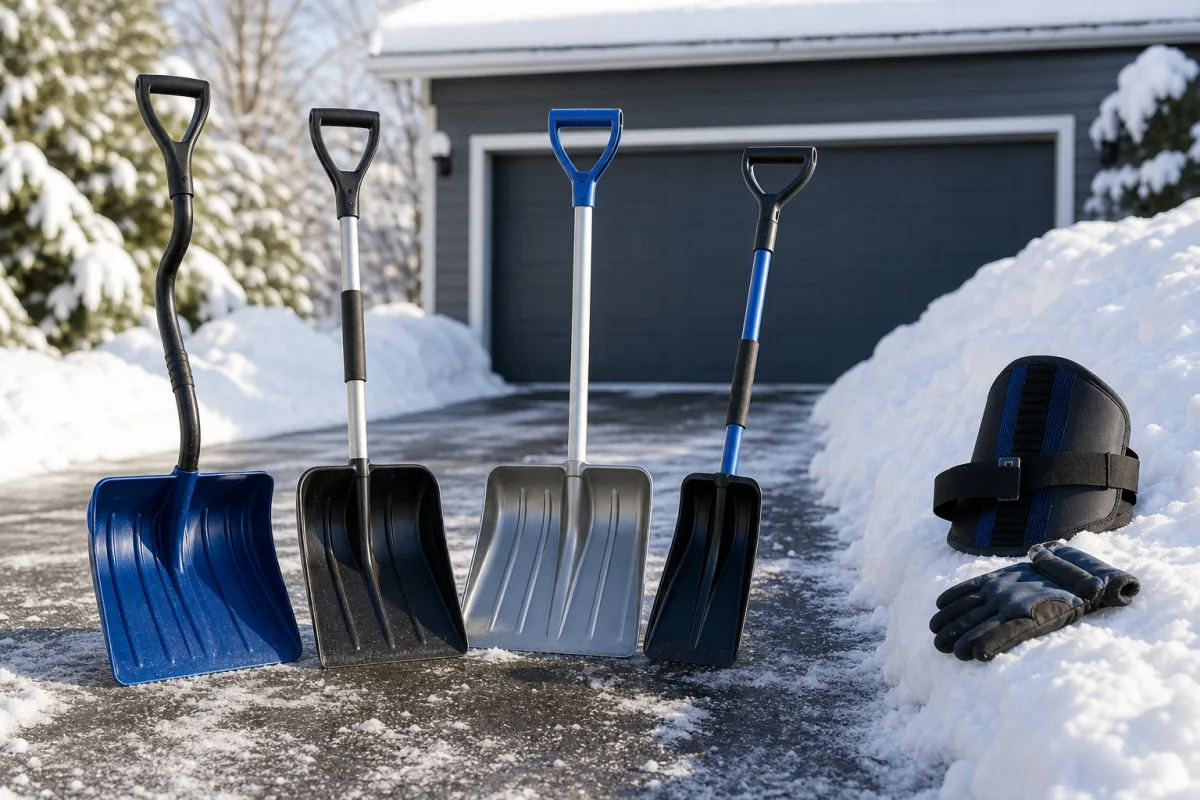
Choosing a snow shovel is not just about buying the widest blade. The right tool depends on where you clear snow, the type of snow you usually receive, the surfaces around your home, and how comfortably you can push or lift it.
For many homes, one shovel does not do every job well. A snow pusher can move fresh snow across a flat driveway, while a smaller scoop shovel is more practical for steps, corners, and places where snow must be lifted. The goal is to choose a tool that is easy to control with the snow loads you actually expect.
Start With the Areas You Need to Clear
Think about each area separately before comparing materials and handle shapes. A shovel that is efficient on a broad driveway can be awkward on narrow stairs or around parked cars.
Consider these common spaces:
- Driveways: Consider the total area, slope, parked vehicles, and where you can pile pushed snow.
- Walkways: Check the width between landscaping, railings, walls, or other obstacles.
- Steps and porches: Choose a compact, maneuverable shovel that is easy to lift and place precisely.
- Decks and patios: Use an edge and technique suited to the surface finish.
- Around vehicles: A smaller blade is usually easier to control near tires, bumpers, and tight spaces.
Surface material matters, too. Concrete and asphalt generally handle normal snow clearing well. Pavers, wood, composite decking, and other finished surfaces can be easier to mark or gouge, especially if you force a hard edge into the surface.
Match the Shovel Type to the Job
Snow shovels are built for different ways of moving snow: pushing, lifting, scraping, or working in tight spaces.
| Shovel type | Best for | Main trade-off |
|---|---|---|
| Traditional scoop shovel | Lifting, tossing, stairs, and relocating snow | Can become tiring with deep or wet snow |
| Push shovel or snow pusher | Moving fresh snow across flat pavement | Less useful when snow must be lifted over a pile or curb |
| Sleigh-style pusher | Broad, open driveways and long walks | Needs room to maneuver and more storage space |
| Compact shovel | Steps, vehicles, decks, corners, and narrow walks | Clears less area per pass |
| Combination shovel | Buyers who want one versatile tool | May not perform as well as a dedicated tool in every situation |
Product names vary. A tool labeled a *snow pusher*, *push shovel*, or *sleigh-style pusher* may have a different blade shape from another product with the same label. Compare the blade width, depth, weight, and intended use rather than relying on the name alone.
Traditional scoop shovels
A scoop shovel has a deeper blade designed to hold snow while you lift, carry, or toss it. It is useful when snow needs to be moved away from steps and walkways or placed on an existing pile.
Choose a scoop shovel when lifting is unavoidable, but avoid treating a large blade as an invitation to carry a larger load. Wet snow can become heavy quickly.
Push shovels and sleigh-style pushers
Push shovels have shallower blades that move snow forward instead of carrying it. They are often a good choice for fresh snow on relatively flat driveways and broad walkways.
Sleigh-style pushers usually have a larger curved blade and can move snow across open pavement with fewer passes. They reduce the need to lift snow, but they still require effort. Wet snow, slopes, packed snow, and the pile at the end of a driveway can all make pushing difficult.
Compact shovels
A compact shovel works well on steps, narrow paths, porch corners, and around vehicles. Its smaller capacity can also make it easier to keep snow loads manageable. It is slower on a large driveway, but the added control is often worthwhile in tight spaces or heavy snow.
Compare Shovel Features for Your Conditions
| Area or condition | Features to prioritize | Expected trade-off |
|---|---|---|
| Broad, flat driveway with fresh light snow | Wide, shallow pusher blade and comfortable long handle | More difficult to use around obstacles or where snow must be lifted |
| Wet, heavy, or deep snow | Narrower blade, lighter tool, and manageable scoop depth | More passes and smaller loads |
| Steps and narrow walkways | Compact blade, light weight, and easy control | Slower on large open areas |
| Cars, fences, and landscaping | Smaller blade and good maneuverability | Less snow moved per pass |
| Decking, pavers, or finished surfaces | Surface-appropriate blade and gentler edge contact | May not scrape as aggressively as a reinforced pavement edge |
Choose a Blade Size You Can Control
A wider blade can move more snow at once, but it is not always faster. Deeper, wetter, or compacted snow can turn a wide blade into a load that is difficult to push, steer, or lift.
Use these general guidelines:
- A wide blade can be efficient for light, dry snow on open pavement.
- A narrower blade is often easier to manage in wet snow, on steps, and along narrow walkways.
- A deep scoop holds more snow but can lead to overly heavy loads.
- A shallow pusher blade supports a push-first approach on level surfaces.
Choose for your usual winter conditions, not the occasional light dusting. A shovel that feels light in the store can feel very different once the blade is full of wet snow.
Evaluate Blade Material and Edge Design
Blade material affects weight, durability, and surface contact. Look at both the blade body and its edge or wear strip. A plastic or composite blade, for example, may still have a reinforced edge that changes how it contacts pavement.
Common blade materials
- Plastic: Often lightweight and suitable for routine clearing. Durability varies by design and construction.
- Aluminum: Usually lightweight and corrosion-resistant. Check the edge design and the manufacturer’s intended-use guidance.
- Steel: Often sturdy for demanding work and packed areas, but it can add weight and may be more aggressive on finished surfaces.
- Composite: Can balance lower weight and durability. Inspect the actual blade and edge rather than relying only on the material name.
Edges and wear strips
Many shovels include a reinforced edge or wear strip to protect the blade and improve ground contact. This can help on concrete or asphalt, particularly when clearing close to the surface.
For decks, pavers, and finished surfaces, follow the manufacturer’s recommendations. Use a shovel intended for gentler contact when appropriate, and avoid driving the edge into the material.
Prioritize Handle Length, Grip, and Ergonomics
The handle is as important as the blade. A poor fit can lead to repeated bending, awkward reaching, and uncomfortable hand placement.
Look for a handle length that lets you work in a relatively upright position. A short handle can require more bending, while an overly long handle may be harder to control in close quarters.
Straight vs. ergonomic handles
Straight handles are simple and familiar. Ergonomic or bent-shaft shovels change the working angle and may reduce forward bending for some people and tasks. They do not eliminate effort or guarantee comfort, so test the fit when possible.
Grip, balance, and overall weight
If you can shop in person, hold the shovel while wearing winter gloves. Check for:
- A secure grip that does not require excessive squeezing
- A handle diameter that fits your hands comfortably
- A texture that remains manageable when wet
- A tool weight you can easily control
- Balance that does not make the blade feel overly front-heavy
Consider how the shovel will feel while moving snow, not just when it is empty.
Choose a Snow Shovel With Back Pain in Mind
If back pain is a concern, prioritize a setup that limits heavy lifting and awkward positions. No shovel removes all strain, and an ergonomic handle does not make an oversized load safe to lift.
For broad, level areas, a pusher-style shovel may be a better starting point because it moves snow along the ground. For areas where lifting is necessary, a lightweight scoop with a narrower blade can help keep loads smaller.
Useful buying priorities include:
- Lower overall tool weight
- A blade size that does not encourage overloading
- A handle length that supports a more upright working position
- An ergonomic shaft if it feels comfortable to use
- A compact shovel for steps, corners, and smaller loads
Clear snow before it becomes deep or packed down when possible. Push snow instead of lifting it whenever practical. When lifting is necessary, use small loads, keep the load close to your body, and move your feet rather than twisting to turn.
Stop if you develop pain or feel unwell. If you have an ongoing health condition or concerns about whether manual snow removal is appropriate for you, seek advice from a qualified healthcare professional.
Plan for the Snow You Usually Get
Buy for normal winter conditions rather than the rarest storm. Consider whether you commonly deal with powdery snow, wet snow, slush, windblown drifts, or snow that becomes compacted between storms.
Fresh, light snow on a flat driveway often suits a wide pusher. Wet snow is usually easier to manage with a narrower blade and smaller loads. If packed snow is common, keep a sturdy scoop shovel available for areas that need more deliberate clearing.
A two-tool setup is often practical:
- Use a pusher for fresh snow on open driveways and broad walkways.
- Use a smaller scoop shovel for steps, corners, areas around vehicles, and places where snow must be lifted.
This combination keeps one oversized tool from doing every job. It is especially useful for homes with a driveway, steps, and multiple surface types.
Check Practical Details Before Buying
A shovel can have the right basic design but still be a poor purchase if it is difficult to store or not built for the work you expect.
Before buying, check the following:
- Storage: Make sure it fits in your garage, shed, entry area, or vehicle if needed.
- Construction: Inspect the handle-to-blade connection, fasteners, and joints for solid assembly.
- Recommended use: Review manufacturer guidance for surfaces, packed snow, and expected use.
- Warranty: Check what is covered and any conditions that apply.
- In-person fit: Hold the shovel, test the grip, assess reach, and check the weight when possible.
For a very large driveway, frequent heavy snowfall, or limited ability to clear manually, a snow blower, snow-removal service, or a combination of tools may be more practical than a larger shovel.
Use Your Shovel With Sensible Clearing Habits
A well-chosen shovel works best with a practical routine. Start clearing before snow becomes deep, wet, or compacted. Several shorter sessions can be easier to manage than one large effort after a storm.
Remember to:
- Wear footwear with reliable traction.
- Watch for ice, uneven pavement, hidden steps, vehicles, and nearby people.
- Push snow whenever practical.
- Use small loads when lifting is unavoidable.
- Keep the blade clean after use.
- Inspect the blade, edge, handle, and fasteners for cracks, looseness, or excessive wear.
Choose the Setup That Fits Your Home
To choose a snow shovel, focus on control rather than maximum capacity. Match the shovel style to the areas you clear, choose a blade size you can manage in typical snow, and select a handle that feels comfortable in use.
For many households, a pusher for open pavement plus a compact scoop shovel for steps and tight spaces is more useful than one oversized tool. Choose the lightest, most controllable option that can handle your normal snow conditions and clearing tasks.