Seasonal Home Care
How to Protect Your Pipes When a Hard Freeze Is Forecast
A hard freeze can put exposed and poorly insulated plumbing at risk. Learn how to prepare your home, recognize likely signs of a frozen pipe, thaw accessible pipes safely, and respond to a burst pipe.
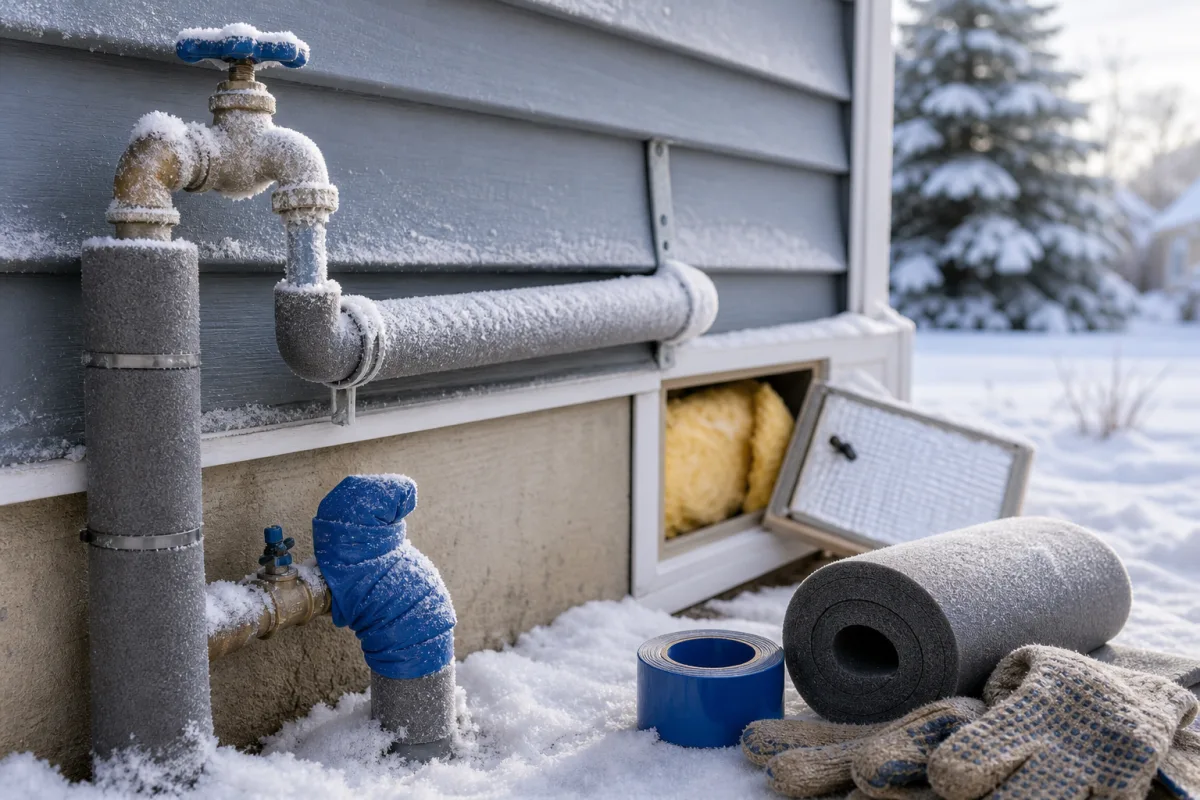
A hard freeze is a time-sensitive home maintenance event. When water freezes, it expands and can create enough pressure to crack pipes, fittings, and fixtures. Taking a few precautions before temperatures drop can reduce the chance of leaks and water damage.
There is no single temperature that creates the same risk for every home. Risk depends on the forecast temperature, how long cold weather lasts, wind exposure, insulation, and where pipes run through the house. An unusual freeze deserves extra attention in areas where below-freezing weather is uncommon.
The basic plan is simple: protect outdoor plumbing, keep vulnerable indoor areas warm, watch for water-flow problems, and know how to shut off the water if a pipe fails.
Know Which Pipes Are Most Vulnerable
Pipes are most likely to freeze where they are exposed to cold air or receive little heat from the home. Consider where plumbing runs, not only where faucets are located.
Common high-risk locations include:
- Attics and unheated basements
- Crawl spaces
- Garages
- Exterior walls
- Areas near foundation vents or utility openings
- Outdoor faucets, hose bibs, and irrigation connections
- Pipes beneath sinks on exterior walls
Homes in warmer parts of the country can be especially vulnerable during an unusual cold snap because their plumbing may have less insulation or fewer cold-weather protections. Treat an uncommon freeze forecast seriously, even if frozen pipes are not normally a concern in your area.
Before a freeze arrives, locate the home's main water shutoff valve. It may be near the water meter, where the main line enters the home, or in a utility room, basement, crawl space, or garage. Make sure responsible household members know where it is and how to operate it.
Prepare Before Temperatures Drop
Preparation is easier and safer before surfaces become icy and temperatures fall below freezing. Start with outdoor plumbing, then inspect exposed indoor pipes and areas where cold air can enter.
Secure Outdoor Plumbing
Disconnect garden hoses from exterior faucets, drain them, and store them in a protected location. Disconnecting hoses helps prevent water trapped at the exterior faucet or connecting pipe from freezing and damaging the fixture.
If your home has shutoff valves for outdoor faucets, close them and drain the exterior lines when the plumbing setup allows. Winterize irrigation components that are designed to be winterized. If you are unsure how your system is configured, consult the manufacturer instructions or a qualified plumbing or irrigation professional.
Insulate Exposed Pipes
Cover accessible exposed water pipes with insulation suited to the pipe material and location. Pay particular attention to:
- Pipe bends and elbows
- Fittings and valves
- Gaps between insulation sections
- Pipes near exterior walls, crawl spaces, and garage walls
Insulation slows heat loss, but it does not create heat. During a severe or extended cold period, insulated pipes may still need protection from indoor heat and reduced drafts.
Reduce Cold-Air Drafts
Cold air can reach pipes through gaps around utility penetrations, windows, doors, and foundation areas. Where practical, seal or reduce drafts around these openings. Keep garage doors closed, especially when water lines run through the garage or along a shared wall with the home.
Do not block openings that are required for safe operation or ventilation. This includes appliance vents, dryer vents, and required combustion-air openings for fuel-burning equipment. If you are unsure whether an opening can be sealed, ask a qualified professional.
Keep Indoor Plumbing Warm During the Freeze
Once freezing weather begins, the goal is to keep heat circulating to plumbing near exterior surfaces or unheated spaces.
Maintain indoor heat, even when you are away. Avoid lowering the thermostat excessively during a cold snap. Consistent heat helps protect pipes in walls, cabinets, floors, and other enclosed areas.
Open cabinet doors beneath kitchen and bathroom sinks on exterior walls so warmer household air can reach the supply lines. Move or secure cleaning products, medications, and other hazards so children and pets cannot access them.
For faucets connected to particularly vulnerable pipes, a small trickle of water may help reduce the chance of freezing when conditions warrant. Follow local guidance and consider water-conservation needs or utility restrictions. A trickle is not a substitute for heat, insulation, or addressing drafts.
Avoid unsafe attempts to warm plumbing. Never use open flames, torches, charcoal grills, or fuel-burning devices indoors or near pipes. Do not place portable space heaters inside cabinets or leave them unattended near plumbing, combustible materials, or tight spaces.
Protect the Home When You Are Away
An empty home can sustain major damage if a pipe freezes and bursts without anyone noticing. Take additional precautions before leaving during a forecasted hard freeze.
Keep the thermostat set to maintain indoor warmth, and do not turn off the heat during the cold snap. If you will be away for an extended period, ask a trusted neighbor, friend, or property caretaker to check the home when possible.
A water-leak alert or monitored temperature device can provide added warning, especially in vacant homes, rentals, and second homes. These devices are useful safeguards, but they do not replace preparation or periodic in-person checks.
Leave clear instructions for anyone checking the property, including the location of the main water shutoff valve and contact information for a qualified plumber.
Recognize Signs of a Frozen Pipe
A frozen pipe is not always visible. It may be behind a wall, beneath a floor, or inside a cabinet. Pay attention to plumbing changes during freezing weather.
Possible warning signs include:
- Reduced water flow or no water flow from a faucet
- Frost on an accessible pipe surface
- A pipe section that appears swollen or bulged
- An unusually cold exposed section of plumbing
- Visible leaking, cracking, or water stains near plumbing
Unexpected loss of water flow, frost on exposed pipe, bulging, or visible leakage during freezing weather warrants prompt inspection. A sound from the plumbing may be a reason to investigate, but it does not by itself confirm that a pipe is frozen.
Check other faucets to help determine whether the problem is isolated or affects a larger part of the plumbing system. Avoid handling a pipe that appears damaged or severely frozen. If there is visible cracking, leaking, or bulging, treat it as a potential failure and prepare to shut off the water.
What to Do If You Suspect a Pipe Is Frozen
If you believe a pipe has frozen but has not burst, act carefully. The goal is to let pressure escape and warm the pipe gradually.
First, open the affected faucet. Keeping it open gives melting water and built-up pressure a path to escape as the ice thaws.
If the suspected frozen section is accessible and shows no sign of damage, apply gentle, controlled warmth. A hair dryer on an appropriate setting can be used carefully on accessible pipe. Electric heat tape or heat cable may also be an option only if it is listed for the application and installed and used according to the manufacturer's instructions.
Start warming near the faucet and work toward the colder area when possible. Never use a torch, open flame, or another intense heat source. Rapid heating can damage pipes and fittings, and flames create a serious fire risk.
Call a qualified plumber if:
- You cannot locate the frozen section
- The pipe is behind a wall, ceiling, or floor
- You see a crack, bulge, or active leak
- The pipe does not thaw safely
- You are not comfortable evaluating the situation
Respond Quickly if a Pipe Bursts
A burst pipe can release a large amount of water quickly. Fast action can limit damage to flooring, walls, furnishings, and electrical systems.
| Priority | What to do |
|---|---|
| Stop the water | If the source is clear and accessible, a fixture-level shutoff valve may stop water to that fixture. For a rupture, an unknown source, or continuing water flow, turn off the home's main water supply as soon as it is safe. |
| Avoid electrical danger | Do not enter standing water, touch electrical equipment, or approach a wet electrical panel if water may be energized. Shut off power only from a dry, safe location. If that is not possible, seek emergency or qualified electrical help. |
| Protect belongings | Move items away from water when it is safe to do so, and avoid entering unsafe areas. |
| Document damage | Take photos or video of visible damage for insurance documentation. |
| Get professional help | Contact a plumber and, when needed, an emergency water-damage restoration professional. |
Do not turn the water back on until the damaged plumbing has been assessed or repaired. Even a small crack can leak again once water pressure is restored.
Build a Simple Freeze-Readiness Routine
Use this checklist before each significant cold-weather event:
- Disconnect, drain, and store garden hoses.
- Shut off and drain outdoor fixtures or irrigation components when your system allows.
- Check accessible pipe insulation for gaps or damage.
- Close garage doors and reduce drafts near vulnerable plumbing.
- Keep indoor heat on and open sink cabinets on exterior walls.
- Consider a small faucet trickle for especially vulnerable pipes when appropriate.
- Confirm that the main water shutoff valve is accessible.
- Arrange property checks or monitoring if the home will be vacant.
Adjust the routine for your home's layout, local climate, plumbing materials, and occupancy. A home with pipes in a crawl space or garage may need different precautions than one with plumbing entirely inside conditioned areas.
Prepare Early and Stay Ready
The best protection begins before cold weather arrives. Secure outdoor plumbing, insulate accessible pipes, limit cold drafts without blocking required vents, and maintain indoor heat.
During the freeze, watch for reduced water flow, frost, bulging, or leaks. If a pipe may be frozen, thaw only accessible undamaged plumbing with gentle heat. If a pipe bursts or appears damaged, shut off the water when safe and contact a qualified plumber.